

Why Can a Digital Dosing Pump System Reduce Chemical Costs?
In industries such as water treatment, chemical processing, metallurgy, new energy, pulp production, and bioenergy, chemical costs often represent a significant portion of operating expenses. As chemical prices continue to rise, many facilities are looking for ways to improve efficiency without compromising process quality.
A common misconception is that reducing chemical costs simply means using less chemical. In reality, the key is using the right amount at the right time. This is where a Digital Dosing Pump System offers a significant advantage. By combining precise dosing, intelligent control, and automated operation, it helps minimize waste while maintaining consistent process performance.
Why Traditional Chemical Dosing Often Leads to Higher Costs
Many conventional chemical dosing systems still rely on manual adjustments or fixed-output pumps. Although these methods may appear sufficient, they often create hidden inefficiencies that increase chemical consumption over time.
Several factors contribute to unnecessary chemical waste:
While each issue may seem minor on its own, together they can result in substantial chemical losses over months or years.
Instead of focusing solely on reducing chemical usage, manufacturers should first improve dosing accuracy and process consistency.
How a Digital Dosing Pump System Reduces Chemical Costs
The biggest advantage of a Digital Dosing Pump System is not simply automation—it is the ability to deliver chemicals precisely according to actual process demand.
1.Higher Dosing Accuracy Reduces Overdosing
One of the primary reasons for excessive chemical consumption is inaccurate dosing.
A digital system continuously controls pump output with high precision, allowing small flow adjustments that traditional systems often cannot achieve. Rather than relying on rough manual settings, operators can maintain consistent dosing even when production conditions fluctuate.
Over time, even a small reduction in unnecessary dosing can translate into significant annual chemical savings.
2.Automatic Adjustment Based on Process Conditions
Industrial processes rarely operate under constant conditions. Flow rate, water quality, temperature, and production capacity may all change throughout the day.
A Digital Dosing Pump System can integrate with instruments such as:
Instead of supplying chemicals at a fixed rate, the system automatically adjusts dosing according to real-time process data. This dynamic control prevents both overfeeding and underfeeding while maintaining stable operating conditions.
3.Reducing Human Error
Manual dosing depends heavily on operator experience.
Different technicians may apply different dosing strategies, especially during changing operating conditions. To avoid the risk of insufficient chemical addition, many operators intentionally increase dosage beyond what is actually required.
An automated Digital Dosing Pump System standardizes the dosing process by executing pre-programmed control logic with consistent accuracy. This not only reduces chemical waste but also improves overall process reliability.
4.Lower Hidden Operating Costs
Chemical consumption is only one part of the overall operating cost. Inaccurate dosing may also result in:
By maintaining stable dosing performance, a Digital Dosing Pump System helps reduce these indirect expenses, creating long-term savings beyond the chemical budget itself.
Applications Where Cost Savings Are Most Noticeable
Different industries benefit from digital dosing technology in different ways.
| Industry | How a Digital Dosing Pump System Reduces Costs |
|---|---|
| Water & Wastewater Treatment | Prevents chemical overdosing while maintaining treatment efficiency |
| Chemical Processing | Improves reaction consistency and reduces raw material waste |
| New Energy Manufacturing | Ensures accurate additive dosing for stable production quality |
| Metallurgy | Optimizes acid and alkali consumption during processing |
| Bioenergy | Controls enzyme dosing precisely to improve conversion efficiency |
| Pulp & Paper | Reduces additive waste while maintaining product consistency |
Although each application has different requirements, the underlying principle remains the same: more accurate dosing leads to lower operating costs.
Frequently Asked Questions
Q: Will installing a Digital Dosing Pump System immediately reduce chemical consumption?
Not automatically. Cost savings depend on proper system sizing, calibration, and control strategy. However, facilities that previously relied on manual dosing or fixed-output systems often see noticeable improvements after upgrading.
Q: Can existing production lines be upgraded?
Yes. Many traditional chemical dosing installations can be upgraded by integrating a Digital Dosing Pump System without replacing the entire process line. This allows facilities to improve automation while controlling investment costs.
Q: Is a digital system only suitable for large plants?
No. Both small and large facilities can benefit from improved dosing accuracy. For operations where chemical costs represent a significant portion of production expenses, the long-term savings often justify the investment regardless of plant size.
Choosing the Right Digital Dosing Pump System
Not all dosing systems deliver the same level of performance. When selecting equipment, it is important to evaluate more than just flow capacity.
Key considerations include:
- ✓Dosing accuracy and repeatability
- ✓Automatic flow adjustment capability
- ✓Compatibility with different chemicals
- ✓Communication with PLC and SCADA systems
- ✓Ease of maintenance and calibration
- ✓Long-term operational reliability
Solutions such as Wearable Tech's Digital Dosing Pump System combine intelligent digital control, precise metering, and flexible automation interfaces to support a wide range of industrial applications, including water treatment, chemical processing, metallurgy, new energy, bioenergy, and pulp manufacturing. A well-integrated system not only improves dosing performance but also helps facilities achieve better process stability and lower lifecycle operating costs.
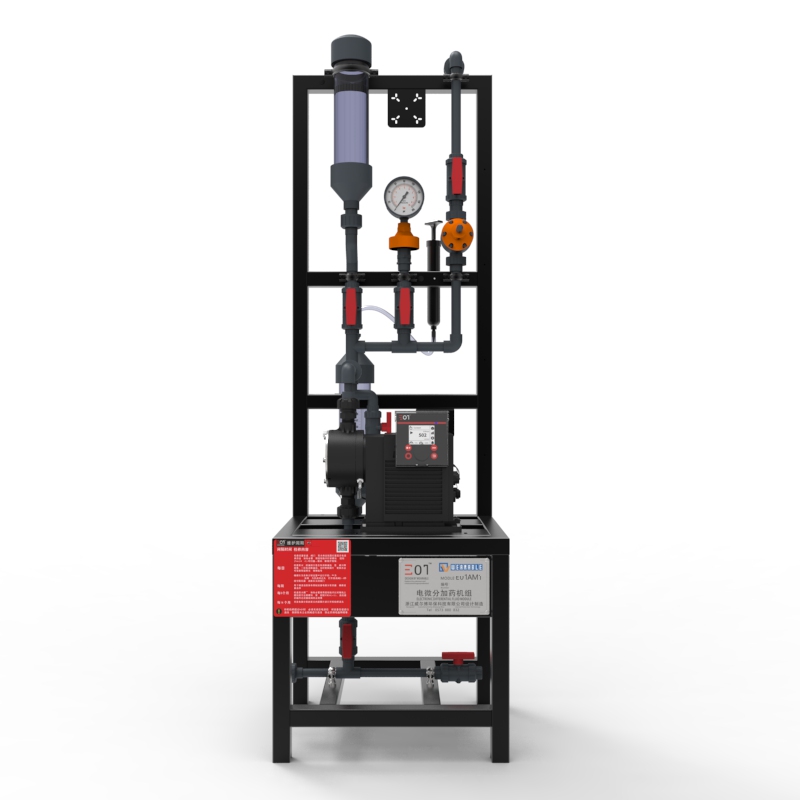
Smarter Dosing Creates Long-Term Value
Reducing chemical costs is not about cutting chemical usage indiscriminately—it is about improving the efficiency of every dose. A properly configured Digital Dosing Pump System enables precise chemical injection, minimizes waste, reduces manual intervention, and supports more stable production processes.
As industries continue to pursue higher efficiency and greater automation, investing in intelligent dosing technology is becoming more than an equipment upgrade. It is a practical strategy for lowering operating costs, improving sustainability, and achieving reliable process control over the long term.
