

How to Prevent Air Lock in a Digital Dosing Pump
Air lock is a common problem in chemical dosing systems. When air or gas becomes trapped inside the pump head, a digital dosing pump may struggle to draw in and discharge liquid. Even when the motor continues running, the actual chemical flow can become unstable or stop completely.
This can affect dosing accuracy, interrupt process control, and increase maintenance requirements. Understanding why air enters the pump and how to remove it is essential for maintaining reliable operation.
What Causes Air Lock in a Digital Dosing Pump?
A digital dosing pump typically uses a reciprocating diaphragm to draw liquid into the pump head and discharge it through the outlet. If air accumulates in the pump chamber, the diaphragm may compress the trapped gas instead of moving the liquid effectively.
Several operating conditions can contribute to this problem.
1. Air entering through suction connections
Loose fittings, damaged seals, and poorly connected suction hoses can allow air to enter the system. This is particularly likely when the pump operates under negative suction pressure.
2. Empty chemical supply or insufficient liquid level
When the chemical tank runs empty, the pump may draw air into the suction line. A low liquid level can also create vortex formation, allowing air to enter the pipeline.
3. Gas released from the chemical
Some chemicals release dissolved gases during pumping, particularly when pressure or temperature changes. These gas bubbles can accumulate inside the pump head and interfere with normal liquid displacement.
4. Improper suction pipe installation
Long suction lines, excessive suction lift, undersized pipes, and high points in the pipeline can make it easier for air pockets to form.
How to Prevent Air Lock in a Digital Dosing Pump
Preventing air lock starts with proper installation and suction-side management. The following practices can help maintain stable chemical flow.
1. Keep the Suction Line Airtight
Check all suction-side connections before starting the pump. Pipe joints, hose fittings, valves, and seals should be properly tightened and compatible with the chemical being transferred.
Even a small leak can allow air to enter without producing an obvious liquid leak.
Inspect flexible hoses regularly for cracks, deformation, and loose connections. Replacing worn sealing components before they fail can reduce unexpected air ingress.
2. Optimize the Suction Pipeline
A well-designed suction line helps the digital dosing pump receive a continuous supply of liquid.
Where possible, keep the suction pipe short and avoid unnecessary bends or restrictions. Select an appropriate pipe diameter to reduce suction resistance, and avoid installation layouts that create high points where air can collect.
For applications with suitable chemical and installation conditions, a flooded suction arrangement can help reduce the risk of air entering the pump chamber.
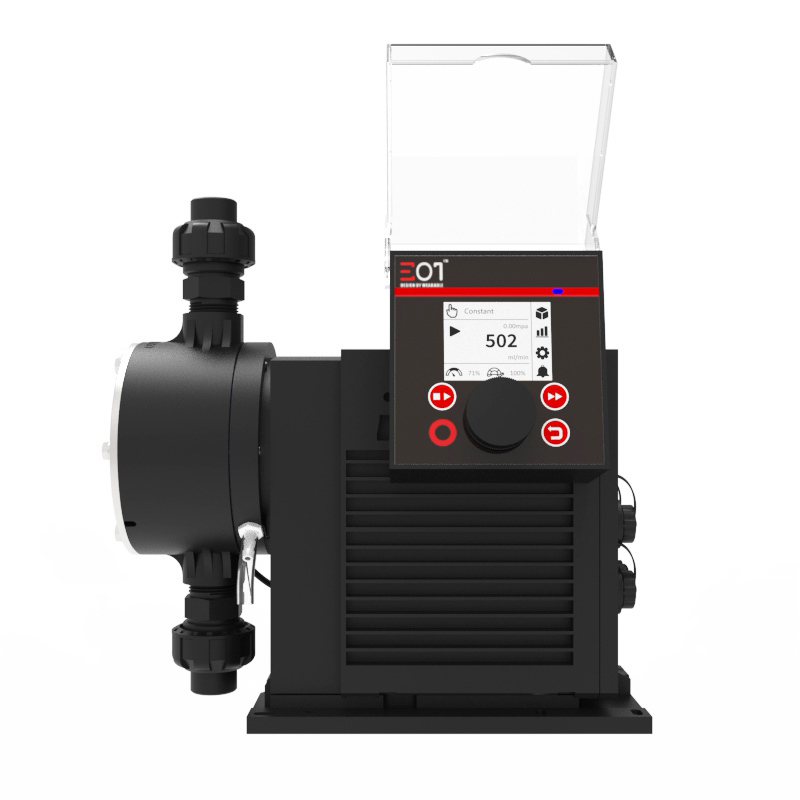
3. Prime and Vent the Pump Correctly
Before normal operation, the pump head and suction line may need to be filled with liquid. This process is known as priming.
Follow the manufacturer's instructions for manual or automatic venting. Open the designated venting valve when applicable and allow trapped air to escape until a steady liquid flow is established.
Never loosen pressurized connections to release air. Chemical handling procedures, appropriate protective equipment, and system isolation must be observed during maintenance.
4. Select Suitable Valves and Degassing Components
Suction-side foot valves can help maintain liquid in the pipeline when the pump stops, provided they are correctly selected and installed.
For chemicals that release gas during operation, a suitable automatic degassing valve or specialized pump-head configuration may be necessary. These components help remove accumulated gas and maintain more consistent dosing.
Valve selection should consider chemical compatibility, viscosity, operating pressure, and the possibility of crystallization or blockage.
5. Monitor Operating Conditions
Regularly check the chemical tank level, suction pressure, discharge pressure, and actual dosing flow. Changes in these conditions may indicate that air is entering the system or accumulating inside the pump head.
If the pump is equipped with suitable pressure or flow monitoring functions, these signals can help identify abnormal operating conditions earlier.
How to Remove Existing Air Lock
If a digital dosing pump has already lost its liquid delivery, first check whether the chemical supply is sufficient and whether the suction line contains air.
After confirming that the system can be safely serviced, follow the manufacturer's priming and venting procedure. Allow the trapped air to escape through the designated venting arrangement until liquid reaches the pump head and normal discharge resumes.
If the problem returns shortly after venting, do not treat repeated priming as a permanent solution. Inspect suction connections, pipeline layout, valve condition, and chemical characteristics to identify the underlying cause.
Maintaining Stable Dosing Performance
Air lock is not simply an inconvenience. It can cause inaccurate chemical injection, unstable flow, and interruptions in automated processes.
A properly installed digital dosing pump should be supported by an airtight suction line, suitable pipeline design, correct priming procedures, and regular inspection. For gas-releasing chemicals, appropriate degassing arrangements are especially important.
By addressing these factors at the system level, operators can reduce air lock incidents and maintain more reliable chemical dosing over time.
