

What Factors Affect Electromagnetic Dosing Pump Accuracy?
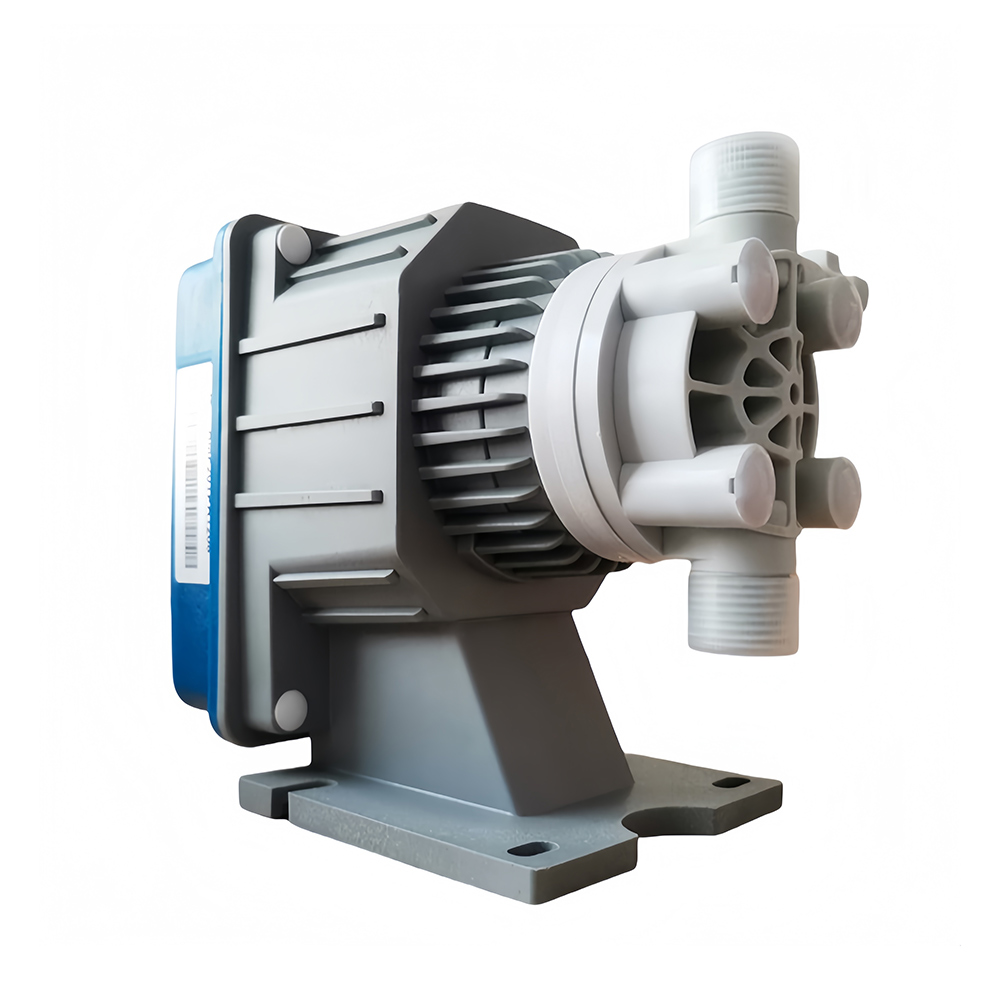
An electromagnetic dosing pump is widely used for injecting chemicals in water treatment, wastewater treatment, chemical processing, and other industrial applications. Its solenoid-driven diaphragm mechanism allows chemical flow to be adjusted through controlled operating pulses, making it suitable for applications that require consistent and repeatable dosing.
However, setting a target flow rate does not always guarantee that the pump will deliver exactly the expected volume. Actual dosing accuracy depends on several factors, including operating pressure, suction conditions, chemical properties, pump settings, and component condition.
Understanding these factors helps maintain stable chemical injection and reduces unnecessary chemical consumption.
1. Stroke Frequency and Adjustment Settings
Stroke frequency is one of the primary factors affecting electromagnetic dosing pump accuracy. Each electromagnetic pulse drives the diaphragm through a pumping cycle, moving a certain amount of liquid.
Increasing the pulse frequency generally increases the dosing rate. However, the actual output also depends on stroke volume and the pump's operating range.
If the frequency is set too high for the application, the pump may not perform consistently under certain hydraulic conditions. Incorrect adjustment can also cause the actual flow rate to deviate from the required dosing volume.
For better control, the stroke frequency should be adjusted according to the required flow rate, discharge pressure, and pump specifications. Regular flow measurement can help confirm whether the actual output matches the set value.
2. Suction Conditions and Air in the Pipeline
Stable chemical intake is essential for accurate dosing. Problems on the suction side can prevent the pump chamber from filling completely, reducing the volume delivered during each stroke.
Air entering the suction line is a common cause of inconsistent output. Trapped air or gas released from certain chemicals can interfere with diaphragm movement and liquid displacement.
Other installation problems, such as excessive suction lift, blocked filters, and loose pipe connections, can also affect pump performance.
To maintain reliable suction:
-
▶ Keep suction connections properly sealed to prevent air leaks.
-
▶ Minimize unnecessary suction lift and pipeline resistance.
-
▶ Clean filters and check valves regularly.
-
▶ Prime the pump and remove trapped air before operation.
These checks are particularly important when handling chemicals that release gas or contain suspended particles.
3. Back Pressure and Discharge Conditions
Discharge pressure has a direct influence on the working conditions of an electromagnetic dosing pump. When back pressure changes, the pump may deliver a different actual flow rate from its calibrated output.
For example, a partially blocked injection point, changes in pipeline resistance, or an incorrectly adjusted back-pressure valve can increase discharge pressure. If the pressure exceeds the pump's rated operating range, dosing performance may become unstable.
A properly designed discharge line should maintain suitable operating pressure and prevent excessive resistance. Where necessary, back-pressure valves and pressure-relief devices can help maintain safer and more stable system conditions.
It is also important to distinguish between the pump's maximum pressure rating and the pressure at which its specified dosing performance has been verified.
4. Chemical Properties: Viscosity, Temperature, and Compatibility
The properties of the chemical being transferred can significantly influence electromagnetic dosing pump accuracy.
Viscosity affects how easily liquid enters and leaves the pump chamber. Highly viscous chemicals may require more time to fill the chamber, potentially reducing the actual output at higher operating frequencies.
Temperature can also change viscosity and affect the performance of diaphragms, valves, and other wetted components. In addition, incompatible chemicals may cause diaphragm swelling, valve deterioration, or premature material failure.
Before selecting a pump, evaluate the chemical composition, concentration, viscosity, and operating temperature. Wetted materials such as PTFE, PVC, and other suitable plastics should be selected according to actual chemical compatibility requirements.
5. Valve Condition and Regular Calibration
The inlet and outlet check valves control the direction of liquid movement inside the pump. If these valves become worn, contaminated, or partially blocked, liquid may flow backward or fail to enter the pumping chamber completely.
This reduces the effective displacement per stroke and causes dosing deviations.
Calibration is equally important. A pump's actual output should be measured under its normal operating conditions rather than estimated solely from its settings.
A practical calibration process involves collecting the discharged liquid over a defined period, measuring its volume, and comparing it with the expected output. If a deviation is found, check the valve condition, suction system, discharge pressure, and operating settings before making adjustments.
6. How to Maintain Consistent Electromagnetic Dosing Performance
Accurate chemical injection depends on more than the pump itself. The complete dosing system, including pipelines, valves, chemical storage, and installation conditions, must work together.
A regular inspection schedule helps identify problems before they affect the treatment or production process. Pay particular attention to changes in flow rate, unusual noise, leakage, and pressure fluctuations.
For applications involving strict dosing requirements, it is also useful to record calibration results and operating parameters. Comparing these records over time makes it easier to identify gradual performance changes.
Achieving More Reliable Chemical Dosing
The accuracy of an electromagnetic dosing pump is influenced by several interconnected factors. Stroke frequency determines the dosing command, while suction conditions, back pressure, fluid properties, and valve performance affect the actual liquid delivered.
Rather than adjusting the pump whenever dosing deviations occur, it is better to examine the entire operating system. Proper pump selection, suitable material configuration, stable installation conditions, and routine calibration all contribute to more consistent chemical injection.
By addressing these factors, electromagnetic dosing pumps can maintain reliable performance in water treatment, chemical processing, and other applications where controlled chemical delivery is essential.
