

What Pump Materials Are Best for Aggressive Chemicals?
Selecting the right pump material is essential when handling aggressive chemicals. Acids, alkalis, solvents, oxidizing agents, and corrosive process liquids can gradually damage pump components if the wetted materials are not compatible with the fluid.
The consequences may include corrosion, leakage, reduced pump performance, and unexpected maintenance. So, what pump materials are best for aggressive chemicals? The answer depends on the chemical composition, concentration, operating temperature, and pressure of the application.
Why Does Pump Material Compatibility Matter?
Chemical pumps operate in direct contact with potentially corrosive liquids. Their wetted components, including the pump casing, impeller, diaphragm, valves, and seals, must withstand the chemical environment.
An unsuitable material may experience chemical attack, swelling, cracking, or surface degradation. Even when the main pump body remains intact, incompatible seals or diaphragms can cause leakage and operational failure.
Material selection should therefore consider the entire wetted assembly rather than the pump casing alone.
Common Pump Materials for Aggressive Chemicals
Different engineering materials offer different levels of chemical resistance. The following options are commonly considered in industrial chemical pump applications.
1. PTFE: Broad Chemical Resistance
Polytetrafluoroethylene (PTFE) is widely used in chemical handling because of its excellent resistance to many acids, alkalis, and solvents. It is also suitable for applications where contamination from the pump material must be minimized.
PTFE is commonly used for diaphragms, linings, seals, and other wetted components. However, its relatively low mechanical strength and tendency to deform under sustained loads must be considered when designing components exposed to pressure or mechanical stress.
2. PVDF: Chemical and Temperature Resistance
Polyvinylidene fluoride (PVDF) offers a useful combination of chemical resistance, mechanical strength, and temperature capability.
It is often considered for applications involving strong acids, oxidizing chemicals, and corrosive industrial liquids. PVDF is used in chemical processing, water treatment, and electronics manufacturing.
However, it is not universally compatible with every chemical. Certain concentrated alkaline solutions, particularly at elevated temperatures, may limit its suitability.
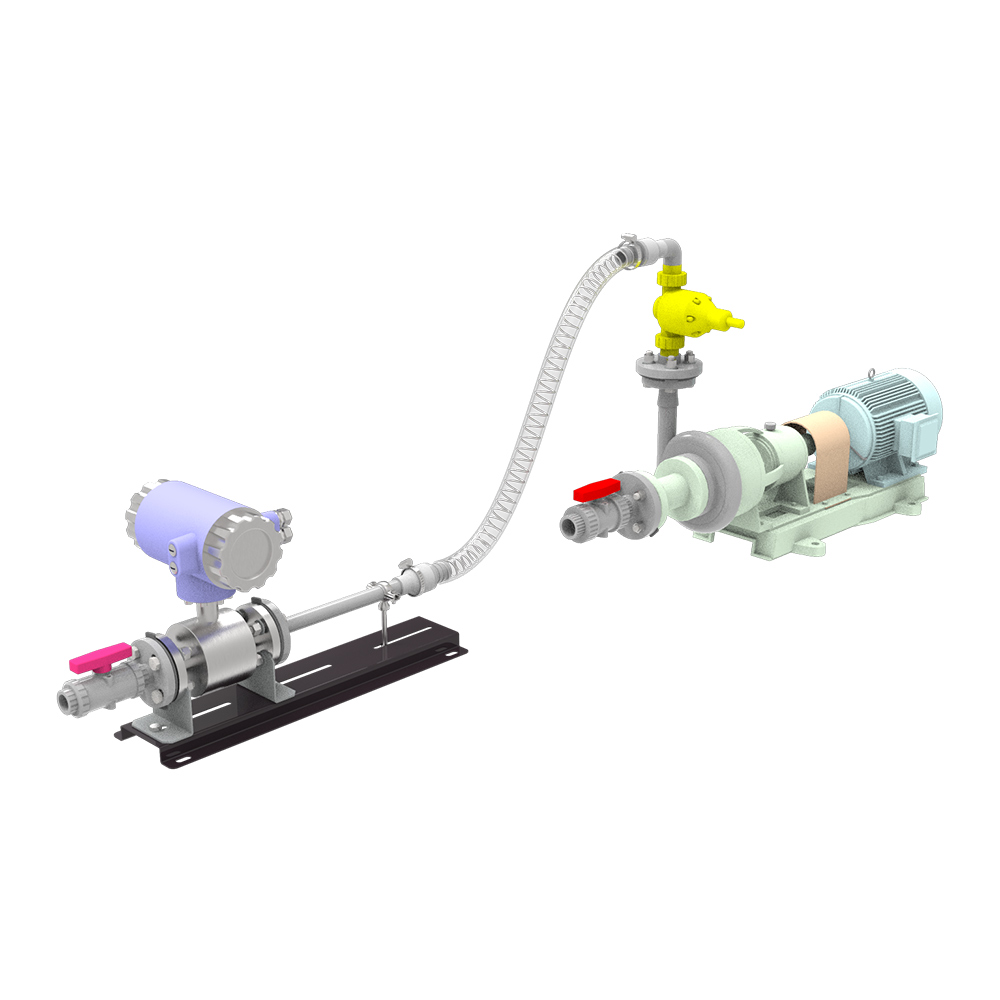
3. Polypropylene (PP): A Practical Option for Many Acids and Alkalis
Polypropylene is a lightweight thermoplastic commonly used in chemical pump housings and fluid-contact components.
It can provide good resistance to many dilute acids and alkaline solutions under suitable operating conditions. Its relatively economical cost also makes it attractive for general chemical transfer.
However, PP has limitations when exposed to certain solvents, strong oxidizing agents, or elevated temperatures. Actual chemical concentration and operating conditions must be checked before selection.
4. Stainless Steel: Mechanical Strength and Corrosion Resistance
Stainless steel, particularly grades such as 316 and 316L, is widely used in industrial pumping systems because of its strength, durability, and resistance to many process fluids.
It can be suitable for certain alkaline solutions, oils, solvents, and chemical mixtures. However, stainless steel should not automatically be considered suitable for all corrosive environments.
Chloride-containing liquids and hydrochloric acid, for example, can cause serious corrosion problems for common stainless steel grades. More specialized alloys may be required for demanding conditions.
5. Special Alloys for Severe Chemical Environments
When standard metals and thermoplastics cannot provide sufficient resistance, specialized alloys such as Hastelloy may be considered.
Nickel-based alloys can offer improved resistance in selected highly corrosive environments. Their suitability still depends on the specific chemical, concentration, temperature, and mechanical requirements.
Although these materials may involve higher initial costs, they can be justified when equipment reliability and resistance to severe corrosion are critical.
What Factors Should Be Considered When Selecting Pump Materials?
Choosing a suitable material requires more than identifying the chemical name. Several operating variables can significantly change material performance.
| Selection Factor | Why It Matters |
| Chemical concentration | The same chemical may affect materials differently at different concentrations |
| Operating temperature | Higher temperatures can accelerate chemical reactions and material degradation |
| Pressure | Pressure affects component stress, deformation, and sealing performance |
| Fluid properties | Viscosity, suspended solids, and impurities may influence wear and material suitability |
| Sealing materials | Diaphragms, gaskets, and O-rings must also be chemically compatible |
Why the Entire Pump Structure Matters
A chemical pump is only as reliable as its least compatible wetted component. Selecting a corrosion-resistant casing while overlooking the diaphragm, valve seats, or sealing elements can still result in premature failure.
For aggressive chemical applications, material selection should cover the complete fluid-contact path. Depending on the pump design, this may involve combining materials such as PVDF, PTFE, polypropylene, and stainless steel in different components.
The pump structure must also match the required flow rate, discharge pressure, temperature, and operating cycle.
Making a More Reliable Material Selection
There is no single material that performs best with every aggressive chemical. PTFE provides broad chemical resistance, PVDF offers a balance of chemical and mechanical properties, PP is practical for many compatible acids and alkalis, while stainless steel and specialized alloys serve applications requiring different mechanical and chemical characteristics.
The most reliable chemical pumps are designed around the actual fluid and operating environment. Evaluating chemical compatibility, temperature limits, pressure requirements, and sealing materials together helps reduce corrosion risks and maintain stable long-term operation.
